How to Build Low Cortisol Aim in Valorant for 2026
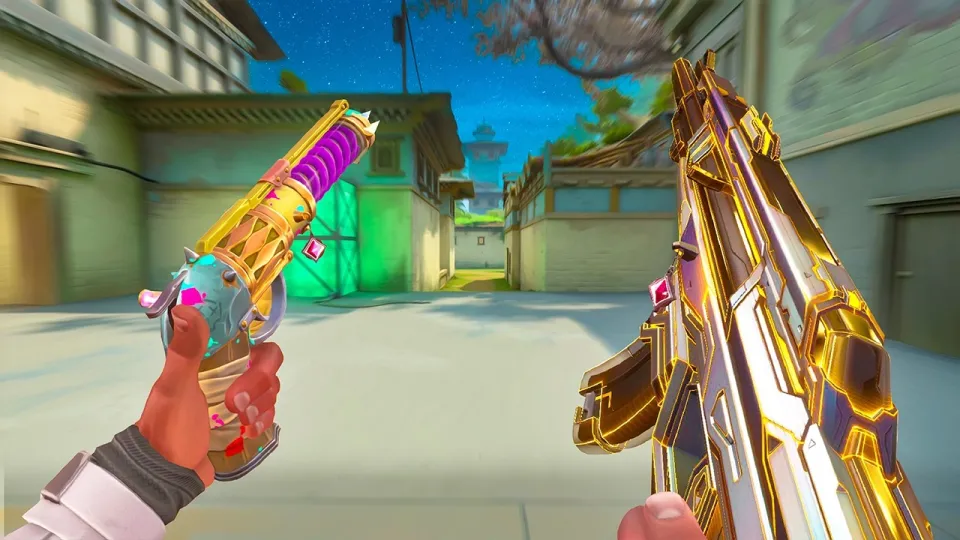
Video: low cortisol aim..
Want articles like this for your own video to promote it on YouTube and Google? Order them through the Telegram bot @sat_sit_bot. Articles with your video embedded are written and posted by the bot itself — on popular topical sites (no ads). Your first 50 articles are free.
· based on the channel Rawzu
Key takeaways
- Rawzu runs 400 DPI with 0.625 in-game sensitivity, a 1440x1080 resolution and the crosshair code 1-6-2-2.
- His setup is a Logitech G Pro X Superlight 2 on an Artisan Zero Soft pad, paired with a Zowie XL2566K 360Hz monitor.
- Low cortisol aim means aiming from a relaxed hand and forearm instead of gripping the mouse hard under pressure.
- Phoenix's Curveball and Blaze let a duelist take fights on his own terms, which reduces panic aim.
- The clip is a Phoenix-focused calm aim montage from the Rawzu channel, published in October 2026.
Low cortisol aim in Valorant is a relaxed, repeatable aiming style where you let your hand and forearm stay loose instead of gripping the mouse hard in duels, and the Rawzu clip «low cortisol aim..» shows that style on Phoenix. The idea is simple: steady crosshair placement, small corrections and no rushed flicks. If you want to try it yourself, you can optimize your PC for Valorant first so frame drops never force you into panic adjustments.
What low cortisol aim actually means in Valorant
Low cortisol aim is the opposite of adrenaline aim: it treats every duel as a mechanical task rather than a life-or-death moment. In practice it means a light mouse grip, a forearm that stays on the pad, and crosshair placement that does most of the work before the enemy appears. The name is a joke about stress hormones, but the behavior it describes is real and trainable.
Three things separate calm aim from tense aim:
- Grip pressure. A relaxed hand can micro-adjust; a clenched hand locks the wrist and produces overshoot.
- Pre-aim. The crosshair sits at head height on the angle you expect, so the shot needs a tiny correction, not a big flick.
- Reset speed. After a kill, a calm player returns the crosshair to the next angle immediately instead of freezing on the body.
Rawzu's clip is built around exactly this feeling — quiet, deliberate kills rather than highlight-reel spins. The chat reaction to the movement and the smooth tracking confirms that viewers read it as control, not luck.
Rawzu's Valorant settings and gear for steady aim
The Rawzu setup is deliberately low-sensitivity, which is one of the most common ways to make aim feel calmer. His listed values:
- Sensitivity: 400 DPI with 0.625 in-game, a very low effective sensitivity that rewards arm movement over wrist flicks.
- Resolution: 1440x1080, a stretched 4:3-style format that widens player models on screen.
- Crosshair: 1-6-2-2, a compact dot-style setup that keeps the center of the screen readable.
- Mouse: Logitech G Pro X Superlight 2.
- Mousepad: Artisan Zero Soft, a control-oriented cloth pad.
- Monitor: Zowie XL2566K at 360Hz.
Every part of that list points in the same direction. A light wireless mouse plus a control pad gives consistent friction, and 360Hz reduces the visual blur that makes fast turns feel chaotic. You do not need identical hardware to copy the approach, but the logic — light mouse, control pad, high refresh rate, low sensitivity — transfers to almost any setup.
Why Phoenix fits a calm duelist playstyle
Phoenix is an offensive duelist who hunts enemies while crippling their ability to fire back, and that kit is built for controlled aggression. Curveball blinds opponents even when they are tucked behind corners, so Phoenix can start a fight with an advantage instead of a coin flip. Blaze creates a wall that blocks vision and deals damage, letting him cross open ground that would otherwise be a death trap.
Hot Hands adds self-healing area damage, and the Run it Back ultimate gives him a free second life. Taken together, the agent forgives one bad read and rewards players who commit on their own terms. That is the mechanical reason a calm aim style pairs so well with Phoenix: you choose when the duel starts, so your hand is already settled when the first shot happens.
A practical routine for calmer aim
Calm aim is a habit built in practice, not a switch you flip in a ranked game. A short daily routine works better than long, sporadic sessions:
- Warm up with 5–10 minutes of static targets at head height, focusing on stopping the crosshair cleanly rather than speed.
- Add 5 minutes of strafe-and-shoot drills where you counter-strafe before firing, so movement and aim stay connected.
- Play one deathmatch with the explicit goal of never flicking — only pre-aim and small corrections.
- Between matches, unclench your hand, drop your shoulders and check your grip pressure before the next round.
- Keep sensitivity fixed for at least a few weeks; constant changes destroy the muscle memory that calm aim depends on.
A low effective sensitivity like 400 DPI at 0.625 asks for arm movement, so give yourself desk space and a pad large enough to swing. If your setup forces wrist-only motion, the calm style becomes much harder to sustain.
Common questions and doubts from viewers
The comments under the clip show what actually confuses people about this kind of gameplay. One recurring theme is whether the movement is doing more work than the aim — and in a low cortisol style, that is partly the point. Smooth counter-strafing means the enemy has to correct while you are already stopped and ready, so the shot looks easier than it is.
Another frequent doubt is whether such clips are staged or simply lucky. The honest answer is that calm aim montages select the best moments, but the underlying pattern — pre-aim, stop, tap — is repeatable and shows up in ordinary ranked games once it becomes a habit. Viewers also ask about audio and editing choices, since the clip leans into a quiet, satisfying presentation rather than loud commentary; that is a stylistic decision, not evidence about how the player communicates in a real match.
A third question is whether you need top-tier hardware. A 360Hz monitor and a Superlight 2 help, but a stable frame rate matters more than raw specs, which is why the creator points viewers toward a PC optimization service in the description.
Useful links from the video
- Optimize your PC for Valorant — the creator's recommended tuning service for stable frames.
- Rawzu's original music on Spotify — the tracks used across the channel's edits.
- Rawzu Discord community — the place for settings talk and clip discussion.
Final thoughts on calm aim
Low cortisol aim is less about talent and more about removing tension from the moment that matters. Rawzu's Phoenix clip works as a demonstration because the settings, the agent choice and the movement all support the same idea: low sensitivity, a control pad, pre-aimed angles and fights started on your terms. Copy the logic rather than the exact numbers, and give the routine a few weeks before judging results. The Rawzu channel is the source of this breakdown, and its calm aim edits are a useful reference for what steady, unhurried Valorant looks like. Before you queue again, optimize your PC for Valorant so the only variable left is your aim.
Questions & answers
What sensitivity does Rawzu use in Valorant?
Rawzu lists 400 DPI with 0.625 in-game sensitivity, which is a very low effective sensitivity. It favors arm movement and small corrections over wrist flicks, and it pairs with a 1440x1080 resolution and the crosshair 1-6-2-2.
Is low cortisol aim just a meme or a real technique?
The name is a joke about stress hormones, but the behavior is real: a loose grip, pre-aimed crosshair placement and fast resets after each kill. Those habits reduce overshoot and make duels feel controlled rather than panicked.
Do I need a 360Hz monitor and a Superlight 2 to aim calmly?
No. A high refresh rate and a light mouse help, but stable frame rates and a consistent sensitivity matter far more. A control mousepad and enough desk space for arm movement do more for calm aim than upgrading hardware.
Why does Phoenix suit this calm duelist style?
Phoenix can start fights with Curveball and Blaze, so he chooses when the duel begins and arrives with his hand already settled. Hot Hands and the Run it Back ultimate also forgive one bad read, which lowers the pressure that causes tense aim.
Source: low cortisol aim.. · Markdown version